
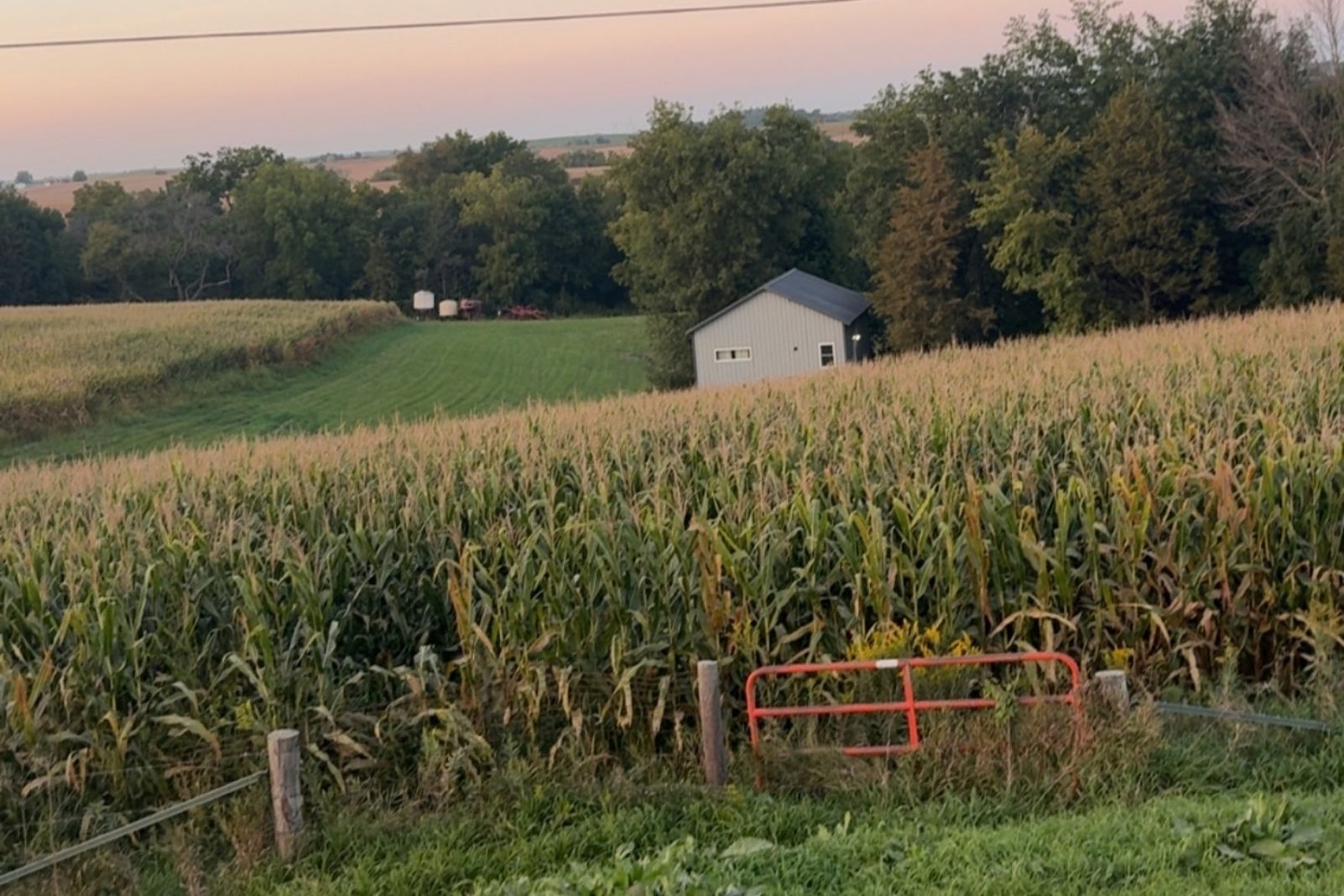

December corn futures recently lost roughly 50 cents in a matter of days after one of the most unusual counter-seasonal rallies we have seen during harvest.
For farmers who still had unpriced grain, the rally created an opportunity. But across much of the Corn Belt, relatively little physical grain was sold near the highs.
At Farmer’s Keeper, we help market grain for thousands of farmers across the country. That gives us a broad view of when farmers make cash grain sales, why they decide to sell, and — just as importantly — why they sometimes choose not to.
Over the past several weeks, I spoke with farmers across the grain belt about the 2026 corn rally and why they did not sell more grain into it.
Their answers reveal an important distinction between being bullish on corn prices and simply being afraid of missing another move higher.
Why farmers didn’t sell more corn during the rally
Some of the reasons were familiar. We hear them almost every harvest:
- “I’m too busy harvesting.”
- “I want to know what my yields are before I sell.”
- “I don’t sell until the crop is in the bin.”
- “I don’t want to commit bushels I may not produce.”
Those are normal operational concerns during harvest.
But in 2026, another answer came up repeatedly:
“I already sold some grain earlier in the year. Then prices rallied. If I sell again now, what if corn keeps going higher?”
That is understandable.
But it is not necessarily a bullish market opinion.
It is often FOMO — fear of missing out.
Being bullish on corn is different from being afraid to sell
A genuinely bullish grain-marketing decision means having enough conviction in higher prices to deliberately maintain upside exposure.
That does not necessarily mean holding physical grain.
A farmer can sell cash corn, remove storage and price risk, and still participate in a futures rally through tools such as call options or futures.
That creates two separate decisions:
- What should I do with the physical grain?
- Do I want continued exposure to higher corn futures?
Those decisions do not have to be tied together.
Some farmers sold physical grain during the rally and then used calls or futures to maintain upside participation.
That allowed them to generate cash from the crop while still benefiting if the futures market continued higher.
This concept is commonly called grain reownership.
What is grain reownership?
Grain reownership is a strategy in which a farmer sells physical grain but maintains some exposure to higher futures prices afterward.
One common approach is:
Sell the physical grain → buy a call option → retain upside potential
The farmer no longer owns the physical commodity, but the call can increase in value if futures prices rise.
Reownership can be useful when a farmer wants to:
- Generate cash from stored grain
- Reduce physical storage exposure
- Avoid carrying grain indefinitely
- Take advantage of a strong cash sale
- Maintain upside potential if futures continue higher
It is important to understand that reownership introduces its own risks and costs. Options can expire worthless, futures positions can lose money, and the appropriate strategy depends on the farm’s financial position and risk tolerance.
The larger point is that selling grain does not automatically mean becoming bearish on the market.
A simple test of a bullish grain-market view
After a sharp market break, farmers frequently say:
“I still think corn is going higher.”
That raises an important question:
If you believe prices are going higher, are you willing to deliberately own that upside exposure?
If the answer is yes, a farmer can evaluate tools designed specifically for that purpose.
If the answer is no, then holding physical grain may be less about a market thesis and more about avoiding the emotional discomfort of selling before a possible rally.
Doing nothing is still a marketing decision.
The cost of carrying physical grain matters
There is another reason farmers should separate physical grain ownership from their futures-market outlook: carrying grain costs money.
Depending on the farm, carrying grain may include:
- Interest expense
- Opportunity cost of working capital
- Commercial or on-farm storage costs
- Grain-quality risk
- Shrink
- Handling expenses
- Transportation considerations
Elevated interest, fuel, and operating costs make those carrying costs more important than they were in a lower-cost environment.
A farmer therefore needs more than a bullish futures outlook to justify holding physical grain. The expected improvement in the eventual cash price needs to compensate for the cost and risk of continuing to own the crop.
Futures and basis do not always rally together
Another factor is the relationship between futures prices and basis.
A cash grain price is generally made up of:
Futures price + basis = cash price
During a strong futures rally, basis does not necessarily strengthen by the same amount.
If futures prices are already doing the work needed to attract grain movement, elevators and processors may have less reason to aggressively improve basis.
That means a farmer holding physical grain solely because futures prices may continue higher should consider whether the additional futures gain is likely to translate into an equally attractive improvement in the final cash price.
This is one reason grain marketing should evaluate futures, basis, storage costs, cash-flow needs, and risk exposure separately.
2026 was a difficult year for forward contracting
It is also important not to rewrite history.
For much of 2026, forward contracting was difficult.
Corn futures traded sideways and below many producers’ breakeven levels for long stretches of the year. The market briefly moved above $5.00 in the spring before falling sharply and reaching lows near $4.25 during the summer.
Farmers who made early sales then watched the market rally during harvest — exactly the type of experience that can make someone reluctant to sell the next time prices move higher.
That emotional response is understandable.
But grain marketing cannot be built around avoiding regret.
Grain marketing is risk management, not market prediction
At Farmer’s Keeper, we view grain marketing primarily as a risk-management process.
The objective is not to perfectly identify the high.
That is unrealistic.
The objective is to make incremental decisions that:
- Protect profitable opportunities
- Reduce exposure when appropriate
- Preserve flexibility
- Manage risk
Want help putting this to work on your farm? Farmer’s Keeper offers no-margin pricing tools — HTAs, Min/Max, Accumulators and more — with delivery to any elevator. See our Pricing Tools or talk to us at (855) 356-7733.